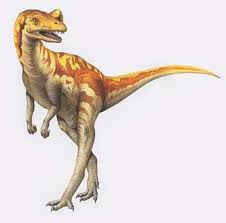
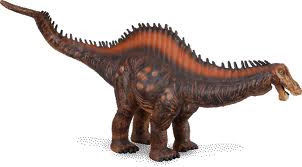
The collection of dinosaur footprints varies from few inches to around few feet across and the biggest footprints belonged to the huge long necked and tailed plant-eating dinosaur called sauropods.The theropods which are the meat-eating dinosaurs comprised of three-toed feet.The feet of plant-eating dinosaurs vary from meat-eating dinosaurs.
Dinosaur footprints usually made in sludge or fine sand have been found over 1500 places including quarries, coal mines, riverbeds, deserts, and mountains.There are many fossils found as each dinosaur made many tracks it can fossilize well.Moreover relating a set of tracks with a particular genus is normally impossible.

The subsequent are the information about fossil footprints,
Speed
Length of stride,
The bone structure of the foot,
Irritating behavior the existence of herds,
Whether they walked on two or four legs and how their tail was carried.
Speed
Length of stride,
The bone structure of the foot,
Irritating behavior the existence of herds,
Whether they walked on two or four legs and how their tail was carried.
Dinosaur footprints are extremely rich in many areas, and provide prosperous sources of scientific information on dinosaur behavior, locomotion, foot anatomy, ecology, chronology, and geographic distributions.The extensive revival of significance in dinosaurs has been liked by a new interest in dinosaur tracks.
Today countless professional "trackers" are vigorously studying about the footprints of dinosaur all around the world. For ruling, documenting, and interpreting dinosaur footpaths include tackle and techniques which varies from those applied to corpse fossils. A number of admirable dinosaur footpaths are now available to the public.

Some footpaths are so fresh- looking which is hard to imagine that the track-walkers having stridden by only moments before.Until the desire of cloning dinosaurs becomes a reality, this is probably the closest one we can come to stand beside a breathing dinosaur.